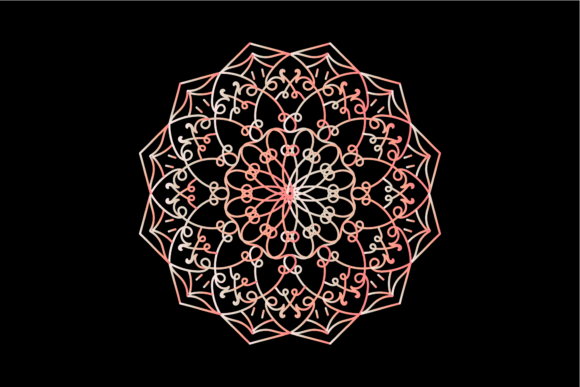
Decorative Mandala Element Design: Elevate Your Creative Projects
When you first encounter a Decorative Mandala Element Design, it’s not just about seeing a pattern; it’s about feeling a sense of intricate balance. This specific set of design assets moves beyond standard clipart. It offers a sophisticated, symmetrical visual language that can instantly elevate a brand’s perceived value. In the world of modern typography and graphic design, having access to high-quality, scalable elements is not a luxury—it is a necessity for standing out. This collection provides exactly that: a versatile toolkit for anyone looking to add depth and cultural resonance to their visual storytelling.
Understanding the Visual Language
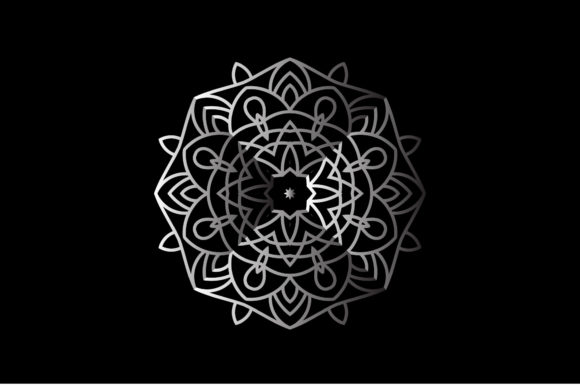
At its core, a mandala represents the universe, but in a practical design context, it represents structure. The Decorative Mandala Element Design files included in this package are built on a foundation of radial symmetry. You will notice the intricate layering of geometric shapes—circles, triangles, and floral motifs—folding into one another to create a cohesive whole. This isn't random chaos; it is calculated beauty.
The visual personality of these elements is one of mindfulness and sophistication. Unlike a chaotic abstract splash, a mandala demands attention through order. It carries an inherent "zen" quality that makes it perfect for brands aiming to convey peace, wellness, spirituality, or holistic health. However, depending on the color palette you apply, these same elements can look edgy, bohemian, or fiercely modern. The line work is crisp, designed to retain clarity whether you are scaling it up for a massive banner or down for a delicate business card icon.
Practical Applications for Designers and Entrepreneurs
The real value of a Decorative Mandala Element Design lies in its adaptability across various media. As a designer, I often see clients struggle to find assets that work equally well in digital and print environments. This kit solves that problem by offering five distinct formats: AI, EPS, SVG, JPG, and PNG.
Here is where you can leverage these files effectively:
- Web Design and UI: Use the SVG file for crisp rendering on high-resolution screens. Mandala elements work beautifully as background textures, loading animations, or distinct section dividers on a landing page. They add visual interest without distracting from the main web design content.
- Social Media Graphics: In the fast-paced world of Instagram and Pinterest, stopping the scroll is key. A Decorative Mandala Element Design serves as a powerful focal point for quote cards, sale announcements, or profile branding. The symmetry is pleasing to the eye and naturally draws the viewer in.
- Packaging Design: For small business owners creating product labels—especially in the tea, candle, or skincare industries—mandalas evoke a sense of handcrafted luxury. Wrapping a mandala around a cylindrical jar or using it as a seal creates a premium unboxing experience.
- Print and Editorial Design: In editorial design, these elements can act as ornate borders for magazine pages or chapter headers in a book. They break up the monotony of text-heavy layouts and provide a visual resting point for the reader.
Integrating Mandalas into Brand Identity
Building a brand identity is about consistency and emotional resonance. When you incorporate a Decorative Mandala Element Design into your visual system, you are signaling a commitment to detail. It suggests that your brand cares about the finer points.
However, restraint is the hallmark of a professional. You don't want to plaster these intricate designs everywhere, or you risk visual fatigue. Instead, use them as accent pieces. For instance, use the mandala as a watermark behind text on a letterhead, or as a singular icon in the footer of your website. This approach ensures the design enhances your logo design and layout rather than overwhelming it.
Technical Flexibility and Editing
One of the biggest hurdles with design assets is compatibility. You receive this set in AI and EPS formats, which are fully editable vector paths. This is crucial for creative professionals. You can ungroup the elements, change stroke weights, alter colors, or even deconstruct the mandala to use its individual components—like a single petal or geometric wedge—as standalone icons.
The inclusion of SVG files makes this a modern typography-adjacent asset that is ready for the web. SVGs are lightweight and scalable, meaning they won't slow down your site load times while looking sharp on any device. For those who aren't deep into vector software, the high-resolution JPG and PNG files (at 1920px x 1280px) offer a drag-and-drop solution for quick mockups and presentations.
Pairing and Presentation
A Decorative Mandala Element Design is visually dense. To maintain readability and a clear visual hierarchy, pair it with clean, simple typography. A geometric sans-serif font works exceptionally well here, as its clean lines complement the complexity of the mandala without competing for attention.
Avoid pairing these elements with overly ornate script fonts or handwritten fonts unless you are going for a very specific, maximalist boho aesthetic. The goal is contrast. Let the mandala be the star of the show, and let your typography provide the supporting voice. By keeping the text legible and the layout balanced, you ensure that your message is communicated effectively while maintaining a high-end aesthetic.
Ultimately, this collection is more than just a set of files; it is a bridge between traditional symbolism and modern digital application. Whether you are a crafter working on a DIY project or a marketer designing a campaign, these elements provide the polish and professionalism needed to make your work memorable.